


What You Should Know About Subaru’s Hybrid and Electric Vehicles
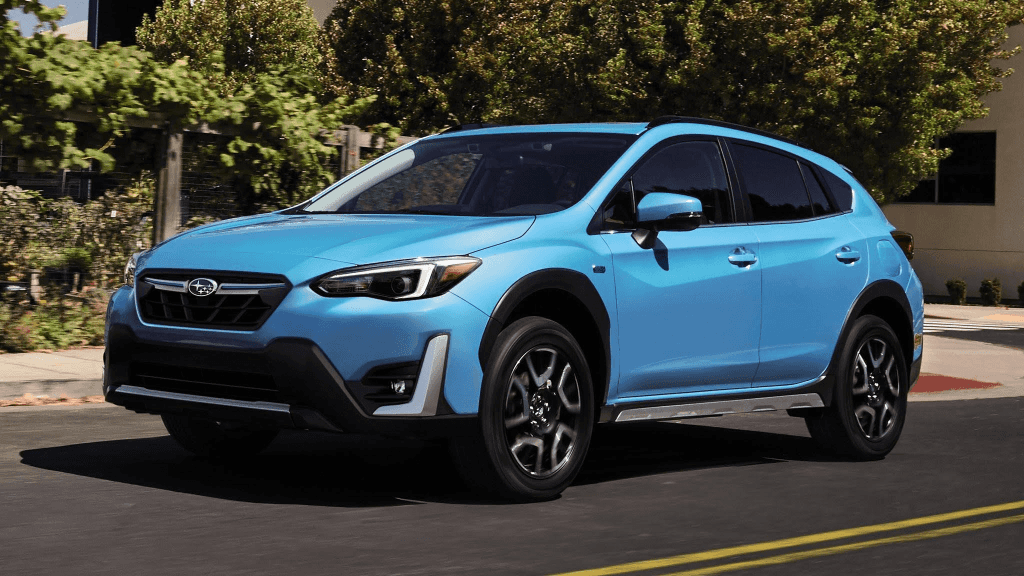
Subaru is stepping deeper into the world of electrification, but in a way that still stays true to what the brand is known for. Capability, all-wheel drive, and everyday usability still come first. The difference now is how that power is delivered and how efficiently it gets you where you need to go.
As the automotive industry shifts toward lower emissions and improved fuel efficiency, Subaru is taking a balanced approach. Instead of rushing into a fully electric lineup overnight, the brand is introducing electrified options that still feel familiar to loyal drivers. That means you can expect the same confidence on the road, just with smarter energy use behind the scenes.
Subaru Hybrid vs Electric: What’s the Difference?
Before choosing between models, it helps to understand how each system actually works in real-world driving. While both aim to improve efficiency and reduce emissions, the experience behind the wheel and the day-to-day ownership can feel very different.
Hybrid Vehicles: Gas + Electric Working Together
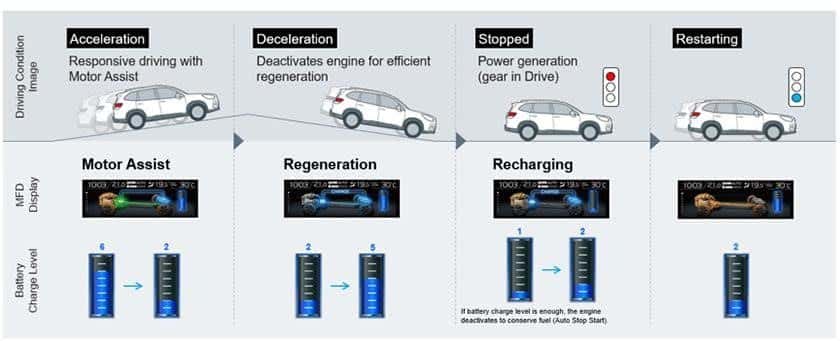
Hybrid vehicles combine a traditional gasoline engine with one or more electric motors. In Subaru’s case, models like the Subaru Crosstrek Hybrid are designed to seamlessly switch between power sources or use both at the same time.
How it works:
- The electric motor assists during acceleration and low-speed driving
- The gas engine takes over at higher speeds or when more power is needed
- The battery recharges through regenerative braking and, in plug-in hybrids, through external charging
What that means for you:
- You still fill up at a gas station like any traditional vehicle
- You get improved fuel economy, especially in stop-and-go traffic
- You can drive short distances on electric-only power in plug-in versions
- No major changes to your routine or reliance on charging stations
Hybrids are often seen as the “in-between” option. They are ideal for drivers who want better efficiency without fully committing to an all-electric lifestyle.
Electric Vehicles (EVs): Fully Battery-Powered
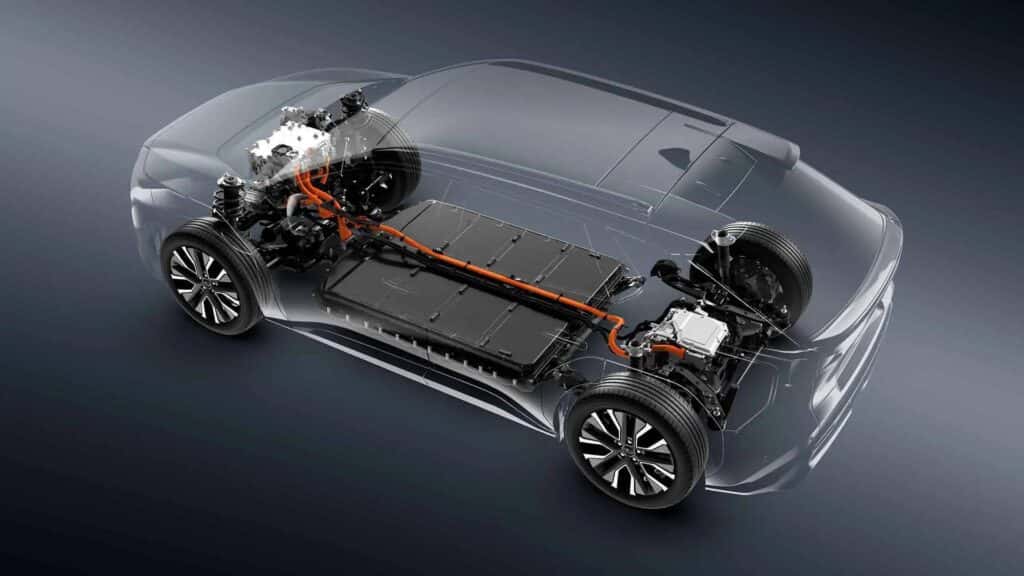
Electric vehicles eliminate the gas engine. Models like the Subaru Solterra run solely on battery power, delivering a completely different driving experience.
How it works:
- A large battery pack stores energy and powers electric motors
- The vehicle is charged using home chargers or public charging stations
- There is no fuel system, exhaust, or traditional engine components
What that means for you:
- No gas stops at all. Charging replaces refueling
- Zero tailpipe emissions
- Instant torque for quicker, smoother acceleration
- Lower maintenance since there are fewer moving parts
EVs are best suited for drivers who are ready to shift fully into electric driving and have access to convenient charging, either at home or nearby.
Key Differences at a Glance
Power Source
- Hybrid: Gasoline + electric motor
- Electric: Battery only
Refueling vs Charging
- Hybrid: Gas station with optional charging (plug-in models)
- Electric: Charging stations or home charging
Driving Range
- Hybrid: Longer total range due to gas backup
- Electric: Limited by battery range, but improving each year
Maintenance
- Hybrid: Similar to traditional vehicles with some added electric components
- Electric: Fewer moving parts, typically lower maintenance needs
Subaru Hybrid: Subaru Crosstrek Hybrid
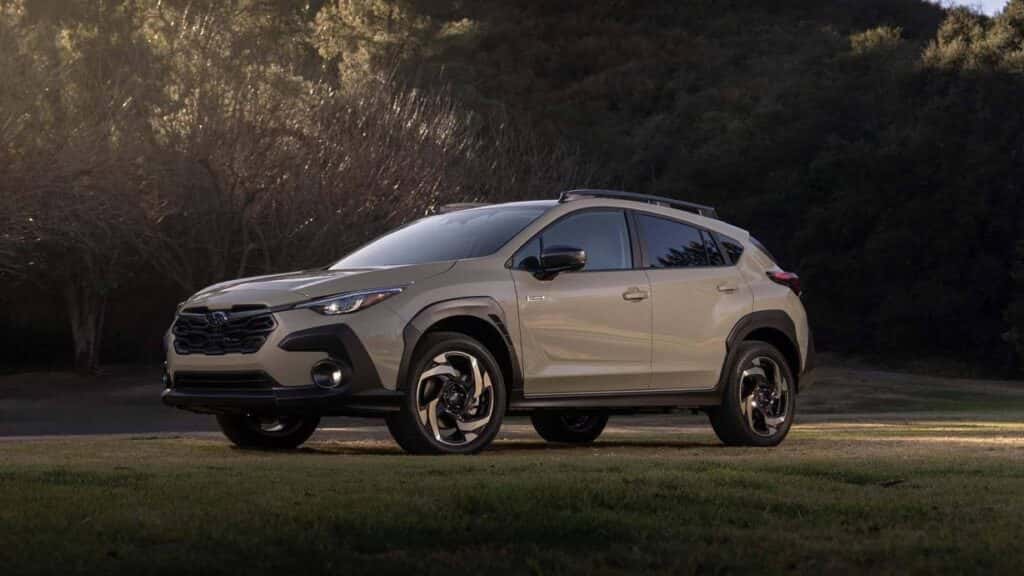
The Crosstrek Hybrid is Subaru’s main hybrid option, blending fuel efficiency with the rugged capability the brand is known for.
Key Highlights
Up to 38% better city fuel economy compared to gas models
- Up to 597 miles of total range on a full tank
- Combines a gas engine with two electric motors for added efficiency and power
- Standard Symmetrical All-Wheel Drive for all-weather confidence
Why It Matters
This is the best option if you want:
- Better fuel savings without changing how you drive
- No need to worry about charging stations
- Subaru’s traditional capability with improved efficiency
Why It Matters for Drivers
Hybrid Subaru models are ideal if you are not ready to go fully electric but still want better efficiency. You can drive on gas for longer trips while using electric power for shorter commutes or city driving.
This setup gives you flexibility. No range anxiety. No major lifestyle change. Just improved efficiency with the same dependable performance.
Subaru Electric: Subaru Solterra
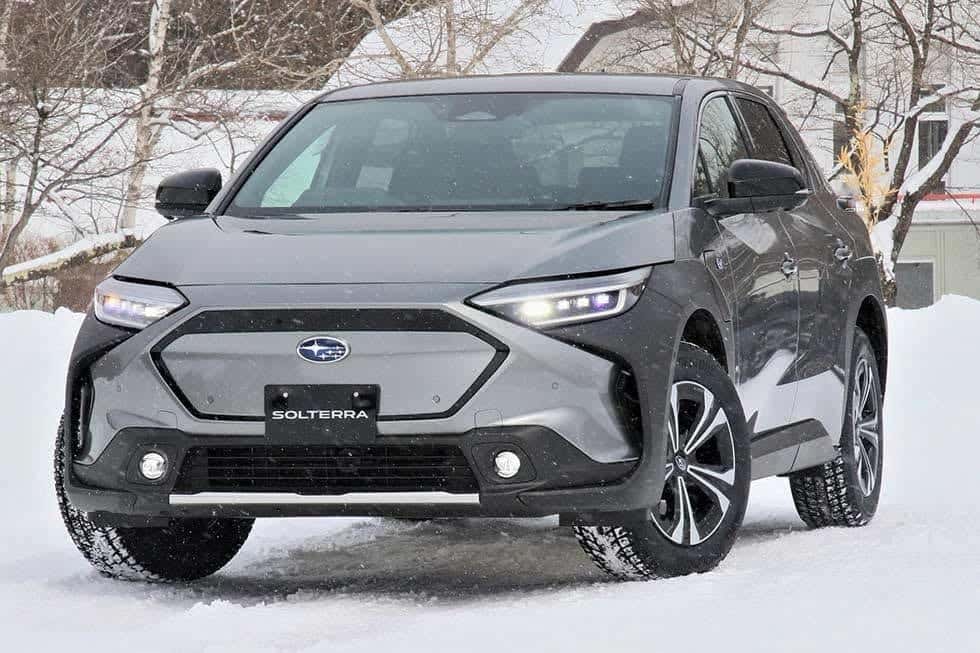
The Solterra is Subaru’s first fully electric SUV and represents the brand’s shift toward a zero-emissions future.
Key Highlights
- Up to 288 miles of driving range on a full charge
- Fast charging from 10% to 80% in about 28 minutes
- Fully electric powertrain with zero emissions
- Standard dual-motor all-wheel drive for traction and control
This is the best option if you want:
- To eliminate gas completely
- Lower long-term fuel and maintenance costs
- Instant acceleration and smooth electric driving
What Drivers Can Expect
The Solterra delivers a smooth, quiet ride with the responsiveness that electric vehicles are known for. It is built for both city driving and light off-road capability, staying true to Subaru’s adventurous DNA.
Charging can be done at home or at public fast-charging stations, making it easier than ever to integrate into daily life.
Key Differences Explained
Hybrid and electric Subaru models both focus on efficiency and lower emissions. The difference comes down to how they’re powered and how they fit into your daily routine.
Fuel vs Charging
Hybrid models use both gas and electric power. You still fill up at a gas station, but the electric motor helps save fuel.
Electric models run only on battery power. There’s no gas. You charge at home or at public stations instead.
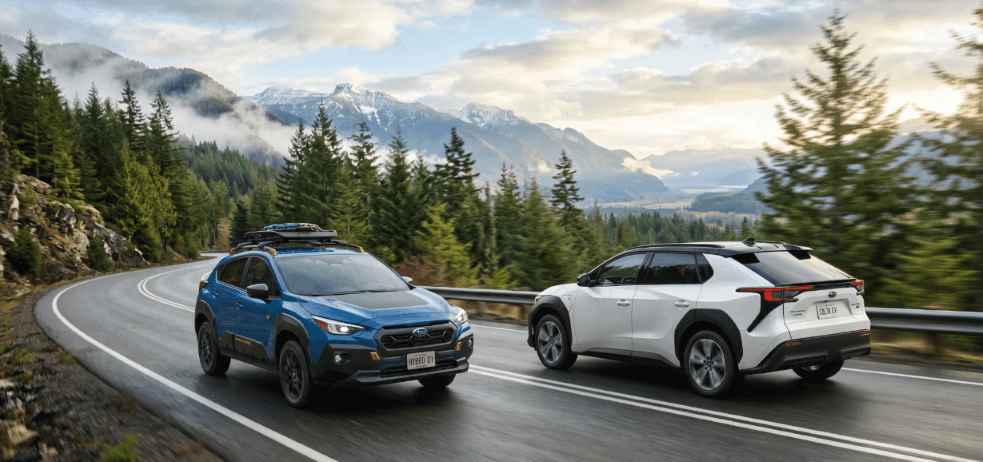
The Subaru Crosstrek Hybrid gives you both options. The Subaru Solterra is fully electric.
Driving Range
Hybrids can go farther since the gas engine takes over when the battery runs low.
Electric vehicles depend on battery range. They’re great for daily driving, but longer trips need charging stops.
Convenience
Hybrids are easy to adjust to. You drive and refuel like you normally would.
Electric vehicles take a little more planning. Charging at home is simple, but trips require knowing where to charge.
The Subaru Crosstrek Hybrid is a good middle ground. You can drive short distances on electric power and still have gas for longer drives.
Environmental Impact
Hybrids use less gas, which helps lower emissions.
Electric vehicles produce zero tailpipe emissions, making them the cleanest option.
Which One Is Right for You?
Choosing between hybrid and electric comes down to how you drive.
- If you want flexibility and longer driving range without relying on charging infrastructure, a hybrid like the Crosstrek Hybrid makes sense.
- If you are ready for a fully electric lifestyle with lower emissions and minimal fuel costs, the Solterra is the way forward.
Subaru is making it easier to transition at your own pace. You do not have to choose between capability and efficiency anymore. You get both.

Take the Next Step at Richard Lucas Subaru
Ready to see how Subaru’s hybrid and electric vehicles fit into your lifestyle?
The team at Richard Lucas Subaru is here to walk you through every option, break down real numbers, and help you compare hybrid vs electric in a way that actually makes sense for your daily driving.
Whether you’re curious about the efficiency of a hybrid or ready to make the switch to fully electric, you’ll get straightforward guidance and hands-on experience behind the wheel.
Stop by today or connect with the team to schedule your test drive and find the Subaru that fits you best.
0 comment(s) so far on What You Should Know About Subaru’s Hybrid and Electric Vehicles