


The Ultimate Guide to Winterizing Your Subaru
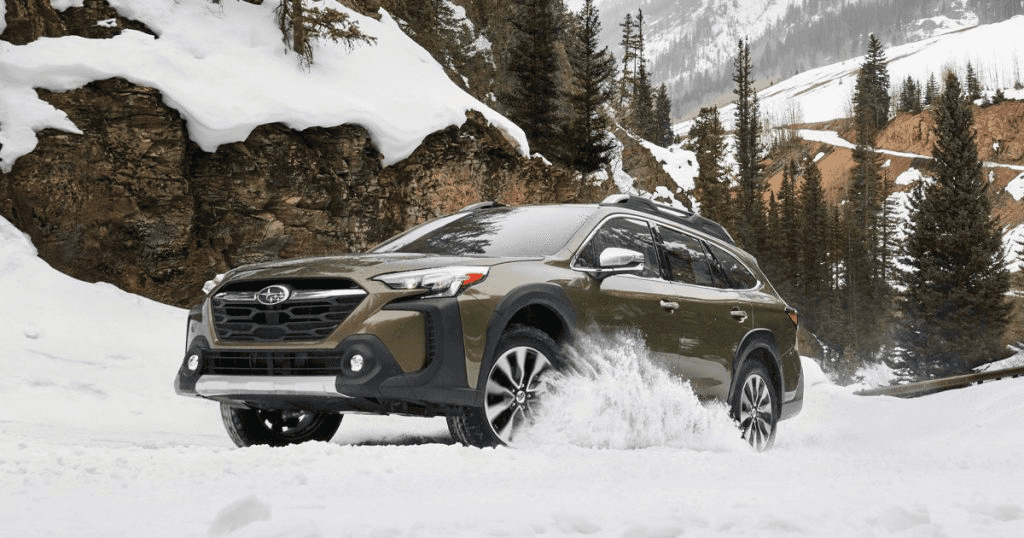
Winter in New Jersey brings a mix of freezing temperatures, icy roads, slush, heavy snow, and frequent temperature swings. These conditions place extra stress on your vehicle, even one as capable as a Subaru. Symmetrical All-Wheel Drive and advanced safety systems give Subaru drivers a major advantage, but your vehicle still needs proper preparation to deliver peak performance during the coldest months.
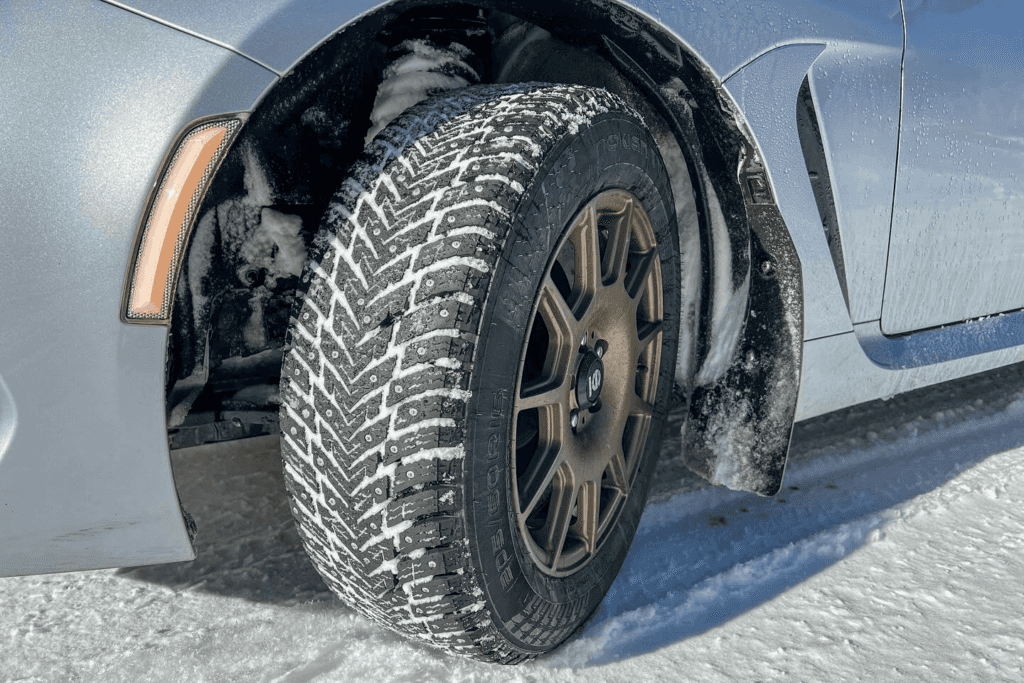
1. Tires: The Foundation of Safe Winter Driving
No system in your vehicle affects winter performance more than your tires. Subaru’s Symmetrical All-Wheel Drive can only deliver its full capability when your tires have the grip needed to transfer traction to the road.
Tire Pressure
Air contracts in cold air. Tire pressure drops about 1 psi for every 10-degree temperature decline. Underinflated tires:
• Increase braking distance
• Reduce handling
• Lower fuel efficiency
• Create uneven tread wear
• Increase the risk of blowouts
Check your PSI weekly in winter. Always adjust when the tires are cold for the most accurate reading.
Tread Depth and Tire Condition
Winter demands deeper tread for channeling snow, slush, and standing water. Aim for:
• At least 6/32″ for winter conditions
• Replace at 4/32″ or lower for safety
Inspect for:
• Cracking
• Sidewall bubbles
• Uneven wear (an alignment may be needed)
• Embedded stones or nails
All-Season vs. Winter Tires
All-season tires are designed for mild winter conditions. For frequent snow, ice, or temperatures consistently under 45°F, winter tires offer major benefits. They feature:
• Flexible rubber compounds that stay soft in the cold
• Deep grooves and sipes for superior grip
• Stronger braking performance on ice
• Better steering control during sudden stops or evasive maneuvers
If you regularly travel ski routes, backroads, or early-morning commutes, winter tires are one of the best safety upgrades you can make.
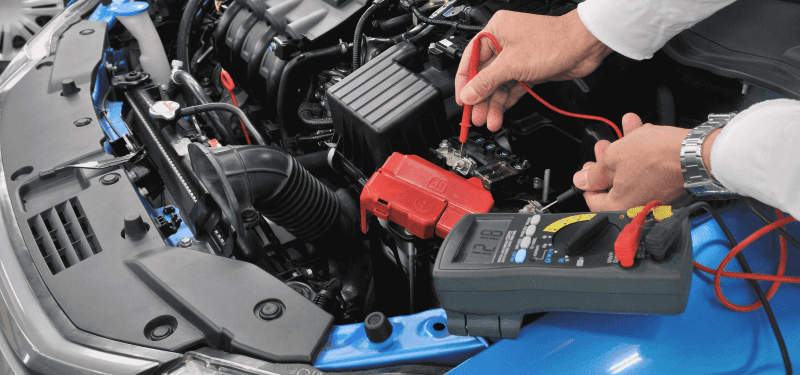
2. Battery Strength and Cold-Weather Reliability
Batteries lose a significant amount of cranking power in cold temperatures. At 0°F, a battery has only about half of its normal power.
Signs of Battery Wear
- Slow engine turnover
• Clicking noises during start
• Flickering dashboard lights
• Corrosion or rust buildup on terminals
• A battery older than three years
Winter Testing
A professional battery test evaluates:
• Cold-cranking amps
• Charge retention
• Voltage stability
• Terminal condition
Technicians can clean and treat terminals to protect connections. Replacing a weak battery before winter prevents breakdowns on freezing mornings.
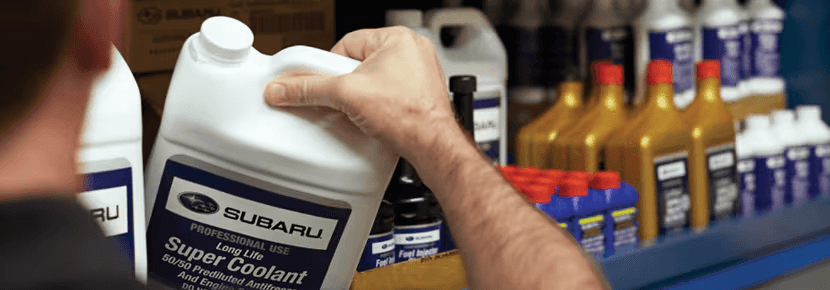
3. Essential Fluids: Protecting Engine Health in Harsh Conditions
Engine Oil
Cold temperatures thicken oil, making it harder for your engine to circulate lubrication. A winter oil change ensures smoother cold starts and protects against wear.
Recommended:
• Follow Subaru’s viscosity grade
• Replace oil and filter before deep winter hits
Coolant/Antifreeze
Coolant regulates temperature and prevents the engine from freezing. Problems arise if the mixture is off or if the coolant is old.
Check:
• Level in the reservoir
• Freeze protection mixture
• Hoses for cracks or bulges
Coolant should typically be flushed every 30,000 to 50,000 miles, depending on your model.
Brake Fluid
Brake fluid absorbs moisture over time. In winter, moisture can freeze or reduce brake pressure. A brake fluid flush ensures responsive braking.
Transmission and Differential Fluids
These fluids should be checked for winter readiness since AWD vehicles rely on consistent lubrication in the drivetrain.
Washer Fluid
Use winter-grade fluid with freeze protection. Summer fluid can freeze in the lines or nozzle, leaving you unable to clear slush and salt.
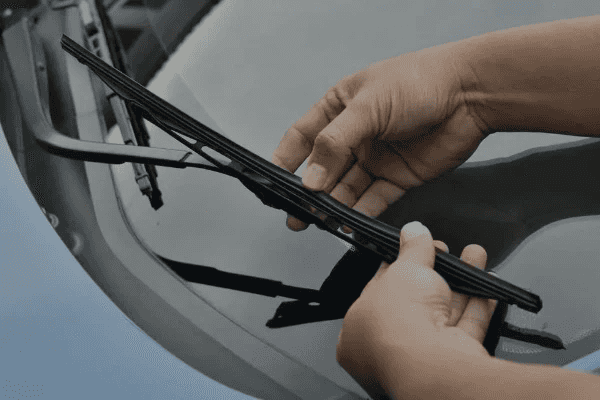
4. Wipers, Glass, and Winter Visibility Essentials
Wiper Blades
Cold weather makes standard blades brittle. Install winter blades that resist freezing and create strong contact with the windshield.
Windshield Inspection
Even a small chip can spread quickly in cold weather due to temperature stress. Repair chips early to avoid full windshield replacement.
Defroster and Climate System
Clear visibility is crucial. Ensure:
• Rear defroster lines heat evenly
• Front defroster airflow is strong
• Heater responds quickly
• Cabin filter is clean
A clogged cabin filter weakens defrosting power.
5. Brake System: Critical for Safe Winter Stops
Even with AWD, stopping power depends entirely on your brakes.
A Full Brake Inspection Includes:
- Rotor thickness
• Pad life
• Brake line integrity
• Caliper condition
• Brake fluid measurement
• ABS functionality
If you hear grinding, squeaking, or feel pulsation, schedule service right away.
6. Subaru Safety Systems and Winter Performance
EyeSight Driver Assist
EyeSight uses cameras behind the windshield. Snow, dirt, fog, or ice can block its view.
Ensure the windshield area near the cameras remains clear.
Traction Control and Vehicle Dynamics Control
These systems help maintain stability on slippery surfaces. If warning lights stay on, have the system diagnosed.
Subaru X-MODE
If your model has X-MODE, it enhances traction and throttle control for steep or slippery surfaces. Familiarize yourself with its use before winter conditions arrive.
7. Exterior Protection and Underbody Care
Winter road salt accelerates corrosion.
Underbody Wash
Schedule regular washes to remove salt buildup under the vehicle, especially after snowstorms.
Paint and Exterior Protection
Apply wax or ceramic coatings to protect paint from salt, grit, and scratches.
Rubber Seals and Weatherstripping
Lubricate door and trunk seals to prevent freezing shut.
8. Heating, Electrical, and Comfort Systems
HVAC System
A healthy HVAC system keeps your cabin warm and your windshield clear.
Heater Core Check
Weak heat output may signal a blocked heater core, low coolant, or failing thermostat.
Heated Seats and Mirrors
Confirm they warm up quickly and evenly.
9. Fuel and Engine Tips for Extreme Cold
Keep Your Tank Half Full
Prevents condensation buildup in the tank, which can freeze in the fuel lines.
Warm Up Policy
Modern Subarus do not require long warmups. Let it idle 30 seconds to 1 minute, then drive gently to warm the engine efficiently.
Check for Strange Noises
Cold-weather startups can reveal worn belts, pulleys, or tensioners.
Professional Subaru Winter Inspection
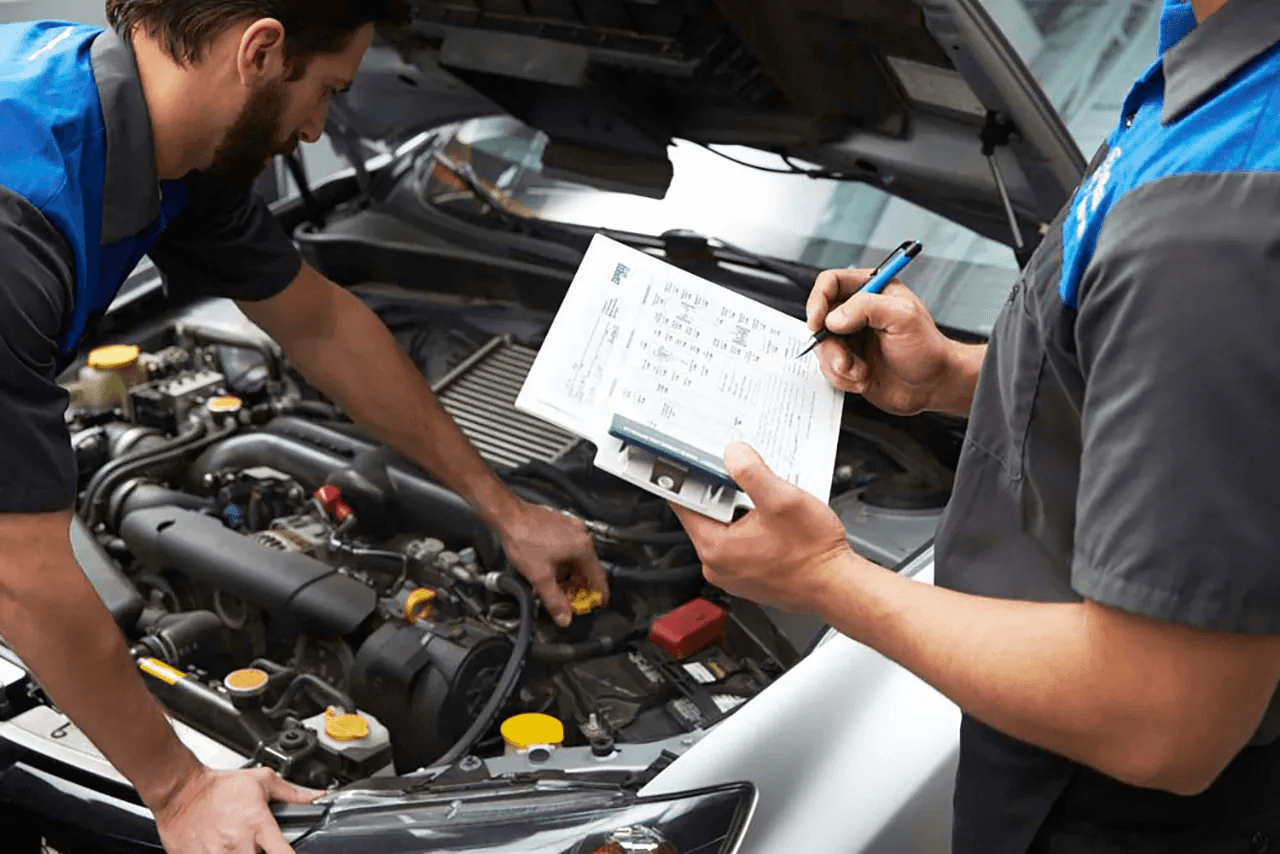
At Richard Lucas Subaru, our certified Subaru technicians perform a full seasonal evaluation designed for New Jersey winter conditions.
A winter inspection includes:
• Tire pressure and tread depth check
• Brake inspection
• Battery test
• Fluid level and condition review
• Heating and cooling performance
• Belt and hose inspection
• Undercarriage check
• Lighting and electrical check
• Exhaust system evaluation
• Suspension and steering assessment
• Windshield and wiper review
Your Subaru is engineered for traction, stability, and reliability. With the right winter preparation, you can enjoy safe and worry-free driving all season long.
0 comment(s) so far on The Ultimate Guide to Winterizing Your Subaru