


How to Get Your Car Ready for Hot Weather Driving

Summer brings longer days, family trips, weekend getaways, and more opportunities to enjoy the road. However, high temperatures can place additional stress on your vehicle. The engine, cooling system, battery, tires, air conditioning, and other important components may work harder during hot weather, especially in heavy traffic or during long-distance driving.
Taking a few preventive steps before summer travel can help support reliable performance, improve passenger comfort, and reduce the chance of unexpected vehicle problems. Before heading to the Jersey Shore, commuting through New Jersey traffic, or packing your Subaru for a road trip, use these tips to prepare for hot weather driving.
Check Your Vehicle’s Cooling System
Your vehicle’s cooling system regulates engine temperature and helps prevent overheating. During hot weather, the engine may generate more heat, especially when driving in stop-and-go traffic, carrying additional passengers and cargo, or using the air conditioning for extended periods.
Important cooling system components to inspect include:
- Coolant level and condition
- Radiator and cooling fans
- Hoses and connections
- Water pump and thermostat
- Signs of fluid leaks
- Engine temperature gauge
Low coolant, damaged hoses, or a failing cooling fan can make it more difficult for the engine to maintain a safe operating temperature.
Never open the radiator cap while the engine is hot. The cooling system may be under pressure and can release extremely hot fluid. Allow the engine to cool completely before checking the coolant level or adding fluid.
Test the Air Conditioning System
A properly working air conditioning system is essential during hot weather. If the cabin takes too long to cool down, the airflow feels weak, or the system blows warm air, it may need professional attention.
An air conditioning inspection may include:
- Checking refrigerant levels
- Inspecting belts and hoses
- Testing vents and airflow
- Replacing a dirty cabin air filter
- Checking for leaks or unusual noises
Addressing air conditioning concerns early can make summer drives safer and more comfortable for everyone inside the vehicle.
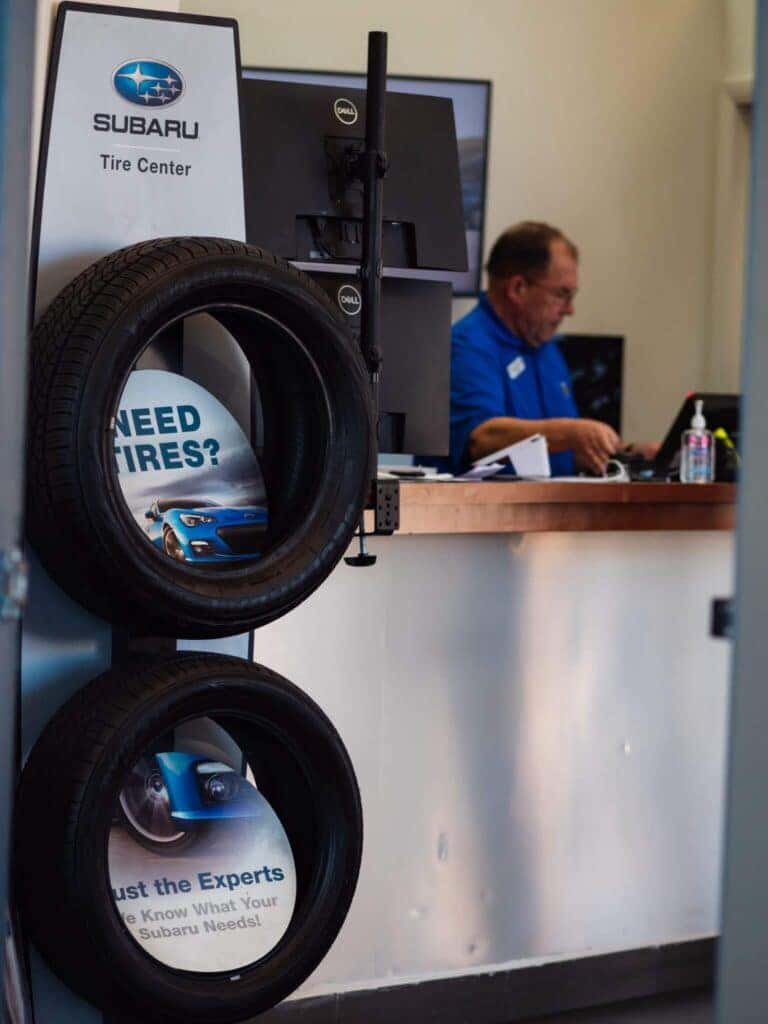
Inspect Your Tires
Heat can affect tire pressure and increase the risk of tire damage. Tire pressure may change as outdoor temperatures rise, so checking it regularly is important.
Before a long drive, inspect your tires for:
- Proper air pressure
- Uneven tread wear
- Cracks, bulges, or visible damage
- Adequate tread depth
- Damage to the sidewalls
- The condition of the spare tire
Use the recommended tire pressure listed in your owner’s manual or on the label inside the driver’s door. Avoid using the maximum pressure printed on the tire as your normal inflation guide.
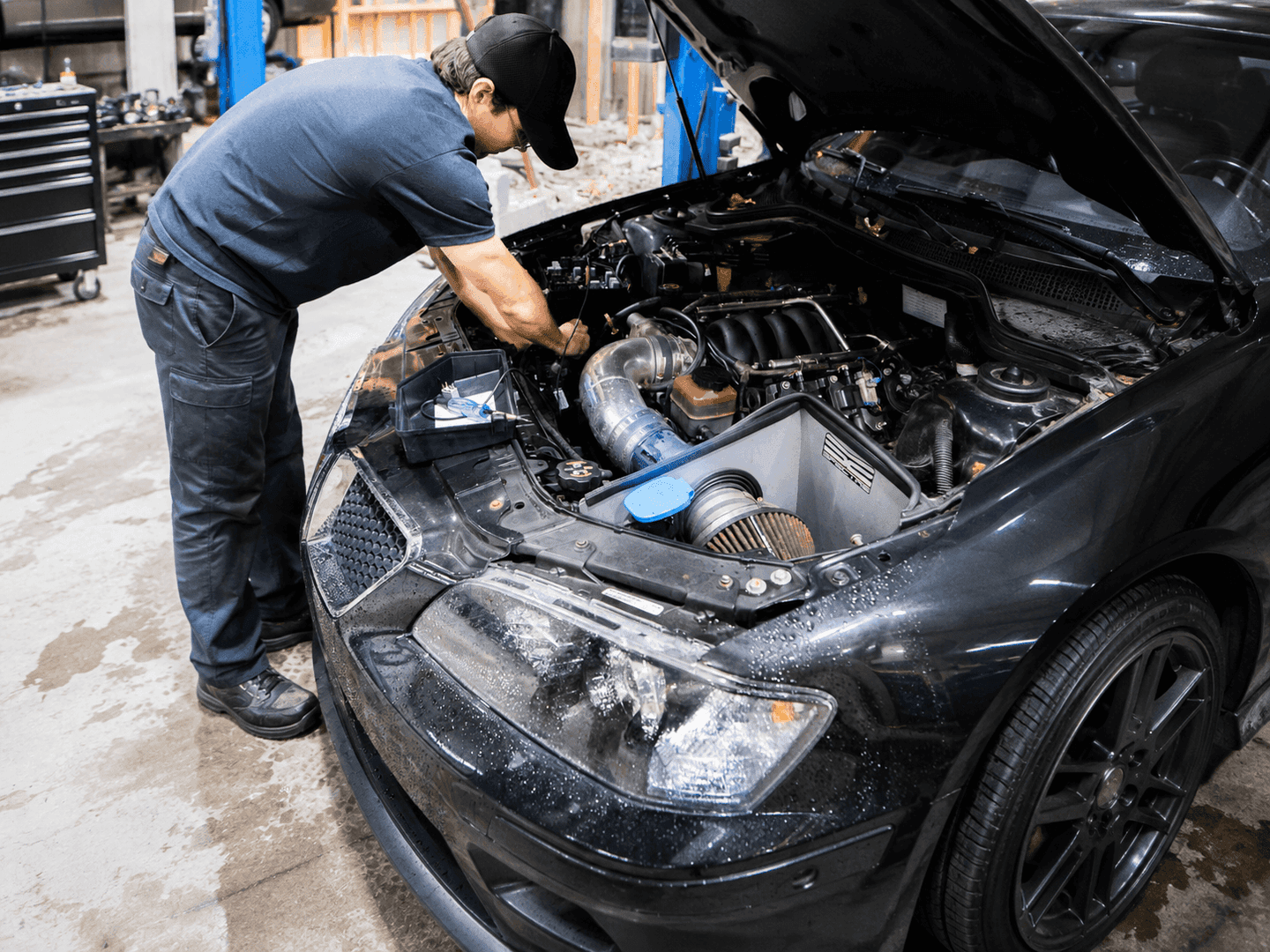
Check the Battery
Many drivers associate battery problems with winter, but extreme heat can also shorten battery life. High temperatures may speed up internal wear and contribute to corrosion around the battery terminals.
Watch for possible battery problems, including:
- Slow engine starts
- Dim interior or exterior lights
- Electrical issues
- Corrosion around the terminals
- A battery warning light
- A battery that is several years old
A quick battery test can help determine whether it is holding a proper charge before you leave for a long trip.
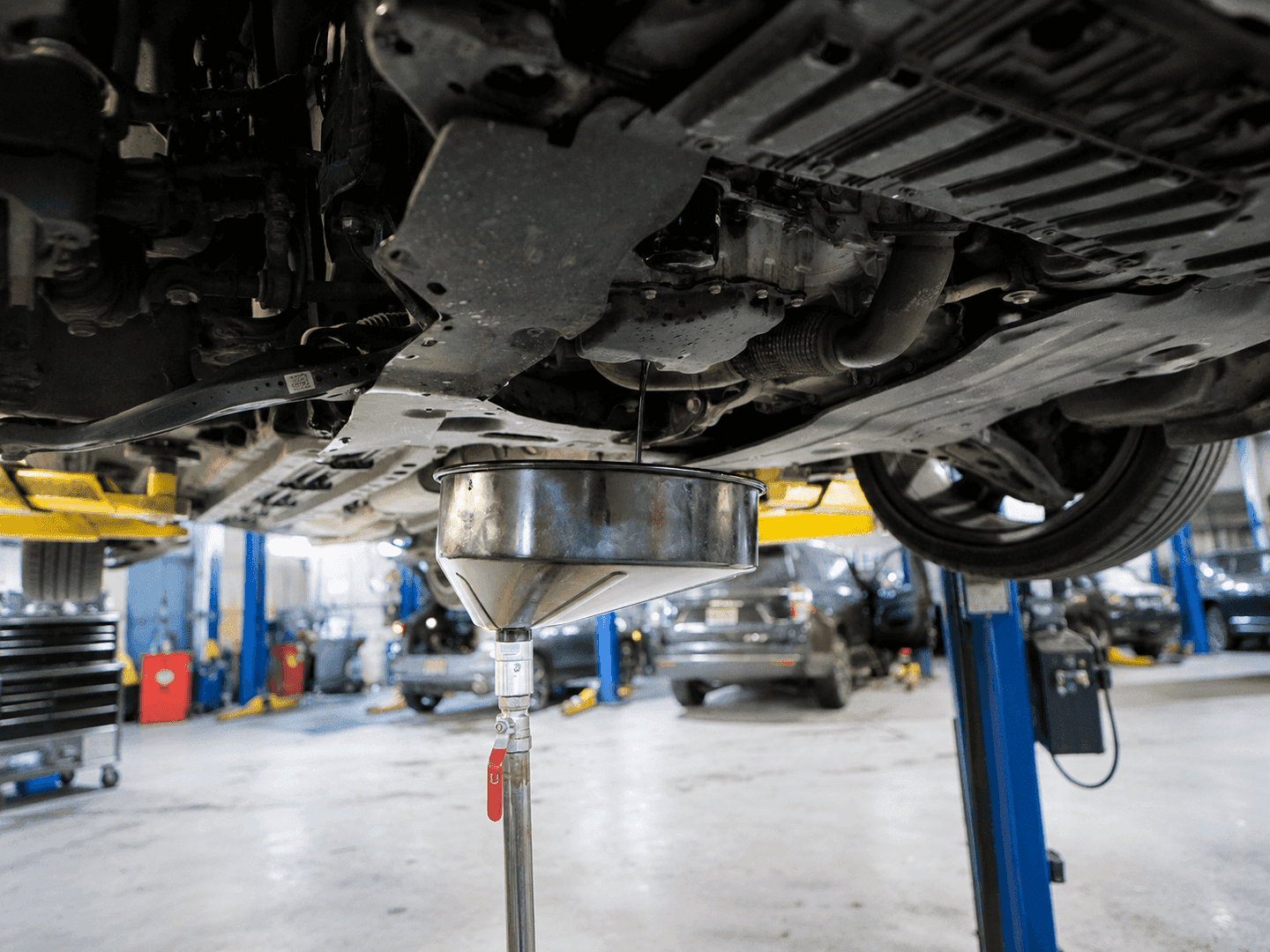
Review Essential Fluid Levels
Fluids help protect important vehicle systems and keep components operating properly. High temperatures can make low or contaminated fluids more noticeable, which may affect performance or lead to unnecessary wear.
Before driving in hot weather, check the engine oil, coolant, brake fluid, transmission fluid, power steering fluid when applicable, and windshield washer fluid. Keeping each fluid at the proper level can help your vehicle operate smoothly and reduce the risk of problems during summer travel.
Replace Worn Wiper Blades
Summer weather can change quickly. Heavy rain, thunderstorms, dust, and road debris can reduce visibility without warning. Wiper blades should clear the windshield smoothly without leaving streaks or skipping across the glass.
Before driving, fill the windshield washer reservoir, clean both sides of the windshield, and check that the headlights, brake lights, and turn signals are working properly. Keep sunglasses within easy reach and remove any unnecessary items that may block your view.
Clear visibility is an important part of safe summer driving.
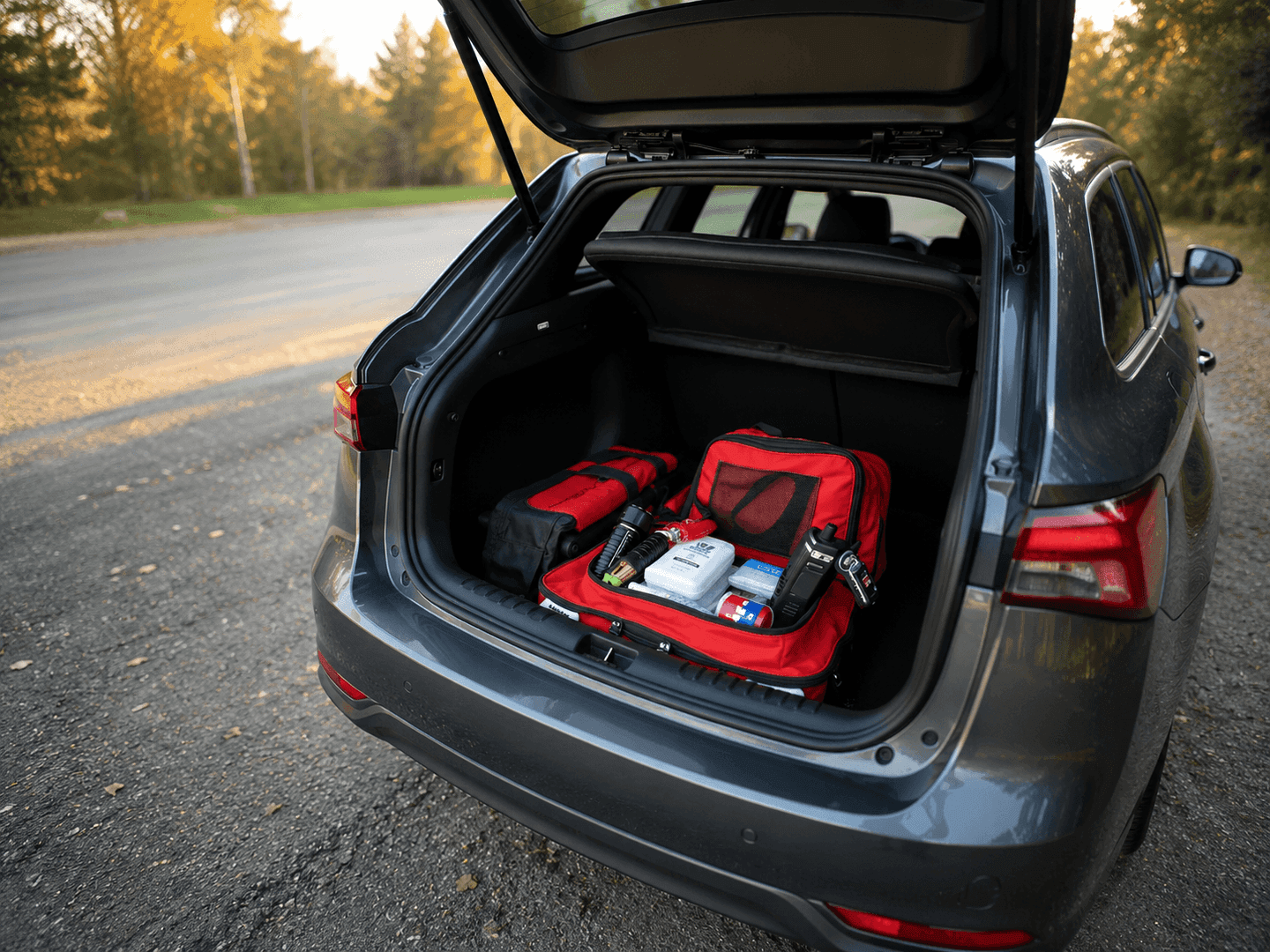
Keep an Emergency Kit in Your Vehicle
Even a well-maintained vehicle can experience an unexpected issue. A basic emergency kit can help you stay prepared while waiting for assistance.
Consider packing:
- Bottled water
- A phone charger or power bank
- Jumper cables
- A flashlight with extra batteries
- A first-aid kit
- Reflective warning triangles
- Basic tools
- Tire pressure gauge
- Emergency contact information
- Nonperishable snacks
Never leave children, pets, medications, or heat-sensitive items inside a parked vehicle. Cabin temperatures can rise rapidly, even when the vehicle is parked in the shade.
Protect Your Vehicle’s Interior
Direct sunlight and high temperatures can damage interior materials over time. Simple steps can help keep the cabin cooler and protect seats, dashboards, and electronics.
Try these hot-weather habits:
- Park in shaded areas when possible
- Use a windshield sunshade
- Cover leather or dark-colored seats
- Avoid leaving electronics in direct sunlight
- Ventilate the cabin before entering
- Use remote climate controls when available and safe to do so
Some Subaru models offer available connected features that can help drivers prepare the cabin before a trip. Features and availability vary by model, trim level, and subscription status.

Schedule Summer Service at Richard Lucas Subaru
Preparing your vehicle for hot weather is about more than keeping the cabin comfortable. High temperatures can place added strain on the engine, cooling system, battery, tires, brakes, fluids, and air conditioning system. When these components are inspected and maintained before the hottest days arrive, your vehicle is better equipped to handle daily commutes, heavy traffic, and long summer road trips.
A professional pre-trip inspection can help you feel more confident before summer travel. The service team at Richard Lucas Subaru can inspect your cooling system, battery, tires, brakes, air conditioning, fluids, and other important components to help keep your vehicle ready for hot weather driving.
Do not let an unexpected maintenance issue interrupt your commute, weekend getaway, or summer road trip. Schedule your service appointment today and let our experienced technicians
0 comment(s) so far on How to Get Your Car Ready for Hot Weather Driving